Preventative Roof Covering Upkeep: Tips to Stay Clear Of Pricey Repairs
To prevent costly fixings, you should inspect your roof on a regular basis for missing or harmed tiles, tidy your downspouts and seamless gutters to avoid obstructions, and trim looming branches. These basic steps can considerably prolong your roof's life expectancy, and there's lots much more you can do to protect your financial investment.
Examine Your Roofing System Frequently
When you examine your roof routinely, you can capture prospective problems before they become expensive repairs. Beginning by inspecting for missing out on, cracked, or curling shingles; these are signs that your roof might need interest. Seek any type of visible wear around chimneys, vents, and flashing, as these locations are commonly prone to leakages. Take note of any sagging or irregular areas, which might indicate structural issues.
After a tornado, it's important to examine your roofing for damage brought on by high winds or heavy particles. Don't neglect to inspect the bottom of your roofing in the attic; seek indicators of moisture or mold, which can show leakages. You should likewise maintain an eye out for granules in your gutters, as they can signal shingle damage. By taking these actions, you'll lengthen your roof covering's life-span and conserve yourself from unanticipated expenses. Routine inspections are crucial to keeping a healthy and balanced roof.
Clean Seamless Gutters and Downspouts
Regular roofing system inspections normally bring about an essential job: cleansing your downspouts and rain gutters. Clogged rain gutters can create water to support, bring about potential roofing system leakages and architectural damages. To avoid these concerns, make it a behavior to examine your gutters a minimum of two times a year, especially after hefty tornados or drop when leaves gather.
When you clean them, start by eliminating debris like leaves, twigs, and dust. You can utilize an inside story or your hands, yet remember to put on handwear covers. After removing the debris, purge the rain gutters with water to guarantee proper water drainage. Don't forget to examine downspouts for clogs. If water isn't moving freely, you might need to use a plumber's serpent or a hose to remove the blockage.
Address Overhanging Branches
Overhanging branches can posture a major hazard to your roof covering, so it's crucial to cut them routinely. Not only can they create damages throughout storms, but they can also invite bugs. Make it a behavior to evaluate for any kind of signs of wear or damages to maintain your roofing system in top form.
Trim Routinely
One of the most essential actions in roof upkeep is to cut those branches that hang also close to your home. Regularly cutting back these branches keeps your roofing clear and decreases the danger of pests and leakages. You do not need to tackle this task alone; employing a specialist arborist can assure effective and risk-free cutting, securing your roofing system and improving your home's total look.
Check for Damages
 roof repair
Check for Damaged or Missing Out On Tiles
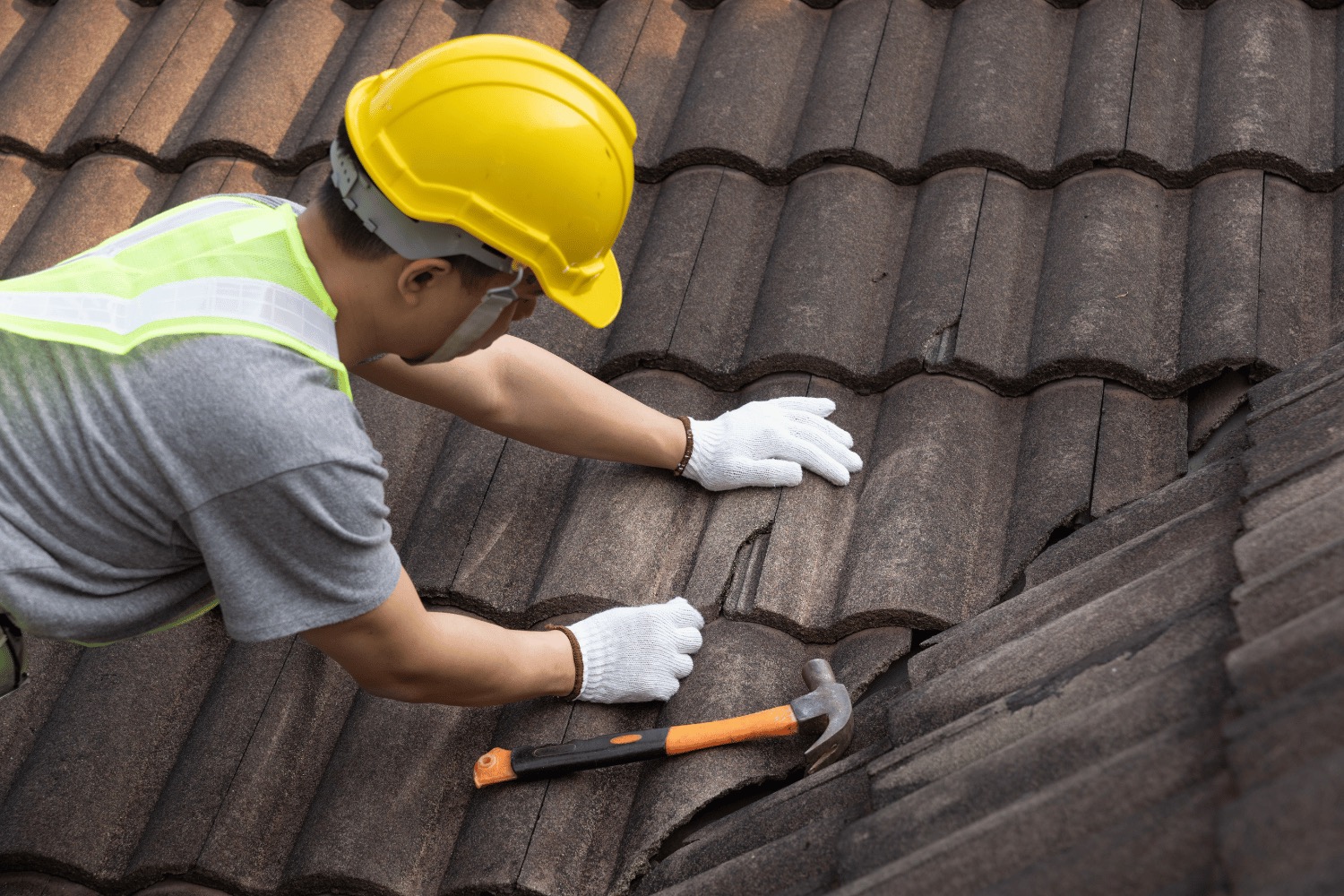
It's vital to check your shingles frequently for any type of damages or missing pieces. If you spot any type of issues, replace missing shingles promptly to avoid more problems. Also, watch on just how the climate impacts your roofing, as harsh conditions can bring about deterioration.
Evaluate Frequently for Damages
On a regular basis checking your roofing for damages is important to keeping its integrity and lengthening its life expectancy. Search for signs of wear, such as fractured, crinkled, or missing tiles. If left unaddressed, also small issues can lead to substantial problems. Take notice of locations where particles accumulates, as this can trap moisture and increase damage. Examine your roofing after hefty tornados or strong winds, as these conditions can dislodge or harm tiles. Do not fail to remember to inspect the flashing around smokeshafts and vents; if it's endangered, it can cause leaks. By making roof evaluations a routine component of your maintenance routine, you can capture problems early and conserve on your own from costly repair services down the line. Your roof covering will thanks!
Change Missing Roofing Shingles Quickly
After inspecting for any damages throughout your inspections, you may locate that some shingles are missing out on or compromised. Don't wait to change them; timely activity can prevent further issues. Missing out on roof shingles expose your roofing to dampness, which can cause leakages and even more comprehensive damage in time.
When you observe a missing out on shingle, inspect the bordering tiles for any kind of that are cracked or curling, as these might require replacing as well. Make certain to make use of roof shingles that match your roofing's shade and design for a seamless look. If you're unclear about doing it yourself, don't hesitate to call a professional. Keeping your roof in leading form is vital for safeguarding your home and preventing costly repairs down the line.
Display Weather Influence Regularly
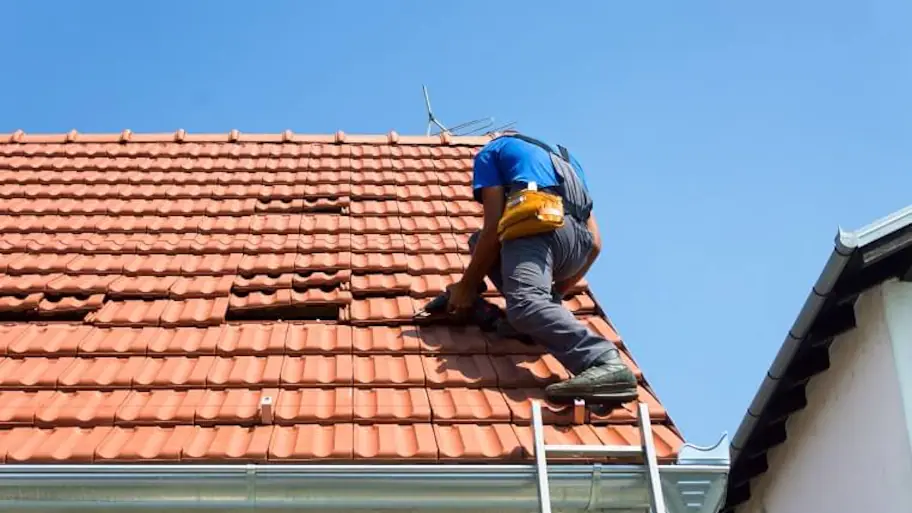
As storms roll via your location, maintaining a close eye on your roof comes to be vital. After each storm, take a moment to evaluate your roof for any type of damaged or missing roof shingles. Look for granules in your seamless gutters, which can suggest damage. If you detect any kind of tiles that are broken, curled, or totally gone, resolve the problem quickly to protect against water leakages and additional damages. Climbing up onto the roofing system isn't always needed; you can often find issues from the ground with binoculars. Don't forget to look for particles build-up, as it can catch wetness and bring about rot. Regular tracking helps you catch small issues prior to they escalate, saving you time and money over time.
 roof repair
Make Certain Appropriate Air Flow
While numerous house owners focus on the outside and structural facets of their roofings, ensuring correct air flow is important for maintaining its long life and efficiency. Poor air flow can lead to warm build-up and wetness accumulation, which can create damages over time.
Proper air flow not just boosts your roofing system's life-span but also enhances power performance, keeping your home comfortable year-round. By taking these actions, you're spending in your roofing system's health and preventing costly repair work down the line.
Look for Indications of Leakages
Correct ventilation helps stop dampness build-up, yet despite good air movement, it is very important to watch out for indicators of leaks. Begin by examining your ceilings and walls for water spots or discoloration, which can show a leakage above. Don't forget to inspect your attic for damp spots, mold and mildew, or mold, as these can be very early indication. Seek peeling off paint or gurgling wallpaper, also; these frequently signal moisture breach.
Outside, analyze your roof covering for missing roof shingles, cracks, or harmed flashing, as these susceptabilities can lead to leaks. Frequently examining for these indicators will certainly aid keep your roof covering's honesty and keep your home safe and completely dry.
Arrange Specialist Evaluations
 roof repair
Objective for a minimum of one examination per year, preferably in the spring or fall, to align with seasonal modifications. During these evaluations, specialists can recognize possible hazards like missing tiles, deteriorated blinking, or signs of mold and mildew. They'll additionally look for debris build-up that can result in water merging.
Don't wait on visible indications of trouble; taking proactive actions can expand your roofing system's life-span. Purchasing routine inspections not just shields your home however also offers you tranquility of mind understanding your roof covering remains in good condition.
Often Asked Concerns
Exactly how Usually Should I Carry Out Roof Covering Inspections?
You should do roof covering inspections at the very least twice a year, preferably in spring and loss. Routine checks help you identify potential problems early, saving you time and money on expensive fixings down the line.
What Tools Do I Required for Roof Covering Maintenance?
For roofing maintenance, you'll need a durable ladder, safety belt, roof nails, a hammer, an energy blade, caulk, a trowel, and a flashlight. Don't fail to remember handwear covers and security goggles to keep on your own shielded!
Can I Clean My Roof Covering Myself?
Yes, you can clean your roofing on your own. Simply make sure you have the right devices, wear security equipment, and follow appropriate strategies. It is essential to be careful to stay clear of accidents and assure efficient cleansing.
Exactly How Can I Identify Roofing System Leakages Early?
To recognize roofing leakages early, you'll desire to check your roofing frequently. Search for water stains, mold and mildew, or missing roof shingles. Pay focus after heavy rain, and don't hesitate to check the attic for wet places.
What Are the Signs I Required a New Roof Covering?
You'll need a new roof covering if you observe curled or missing roof shingles, relentless leakages, or water stains on ceilings. Furthermore, if your roof covering's age goes beyond two decades, it's a good idea to consider replacement earlier instead of later.
To prevent costly repair services, you ought to examine your roofing routinely for missing out on or harmed roof shingles, tidy your downspouts and gutters to prevent clogs, and trim overhanging branches. Missing out on shingles subject your roofing system to wetness, which can lead to leaks and more comprehensive damage over time.
After each tornado, take a moment to check your roof covering for any type of harmed or missing tiles.Outside, examine your roofing system for missing roof shingles, fractures, or harmed blinking, as these vulnerabilities can lead to leaks.To identify roof leaks early, you'll desire to inspect your roof frequently.